


Spring is in the air
Here are a few tips to keep your pets happy and healthy during the upcoming warm months. Exercise Exercising with your pet is mutually beneficial for both physical and mental health, and is often overlooked during the cold months of the year. Fifteen minutes of play time with your cat or a 1-mile walk with your dog does wonders to combat boredom, strengthen the bond between you and your pet, and improve physical health. Be sure to provide plenty of water, particularly on hot days!

Winter Weather Pet Care Tips
During the cold winter weather, there are a few things that responsible pet owners should be aware of to ensure a safe comfortable season for their pets. Limit time outdoors Pets still enjoy time outdoors during the winter season, however, time spent outside should be limited based on the temperature, their acclimation to cold weather and breed/coat-type. If your pets refuse to walk or ask to go inside, it is a clear sign they have had enough and need to warm up.
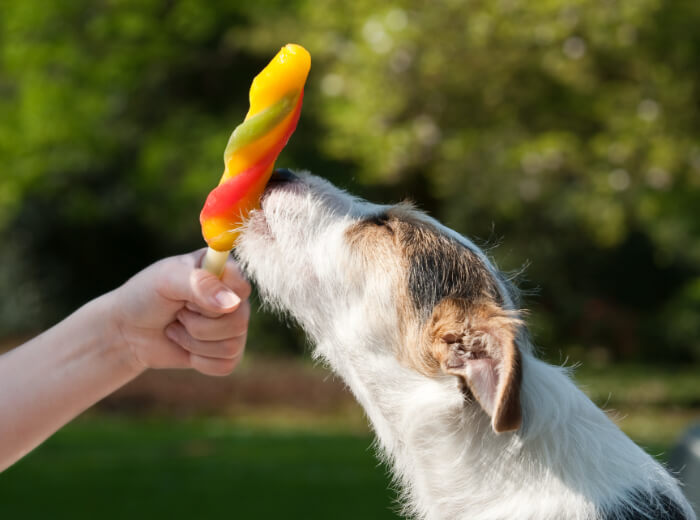
Helpful Tips for the Hot Summer Months
Keep your pets safe during the dog days of SUMMER with these simple tips plus frozen treat recipes!
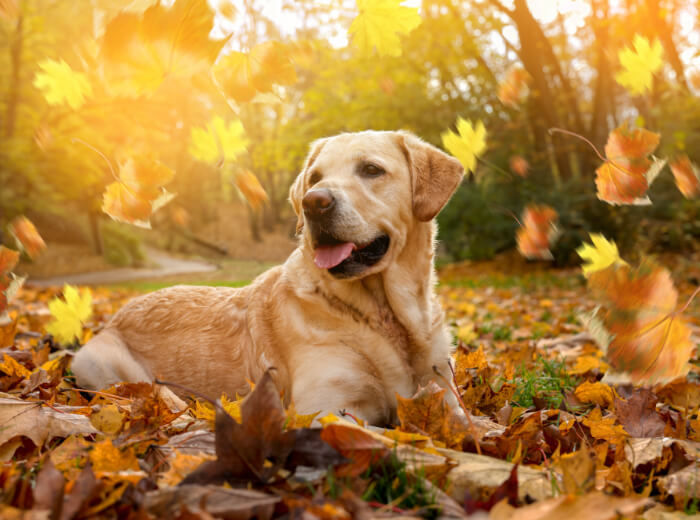
Fall Pet Care Tips for Dog and Cat Owners
As the cooler weather approaches, we all look forward to more long walks outside in the fall leaves, comfort foods and holidays. However, there are a few things that responsible pet owners should be aware of to ensure a safe comfortable season for their pets. Rodenticide Poisoning As the outdoor temperatures become cooler, mice, rats and other rodents seek shelter indoors. Therefore, the fall is a common time for people to use rat poison in and around their homes. Rat poisons pose a major hazard to our pets if ingested.

Does My Dog or Cat Really Need Bloodwork? Understanding Lab Tests for Dogs and Cats
When your veterinarian recommends bloodwork or a urine test, it is natural to wonder if it is really necessary, especially if your pet seems healthy. The reality is that these tests provide valuable insight into your pet's health that cannot be seen during a physical exam alone.

Tips to Keep Your Pet at a Healthy Weight
Helping your pet stay at a healthy weight is one of the most meaningful things you can do for long-term health. Extra weight can put added strain on joints, affect mobility, and make some medical conditions harder to manage. The challenge is that weight gain often happens gradually, especially when treats, table food, and generous portions become part of the daily routine.
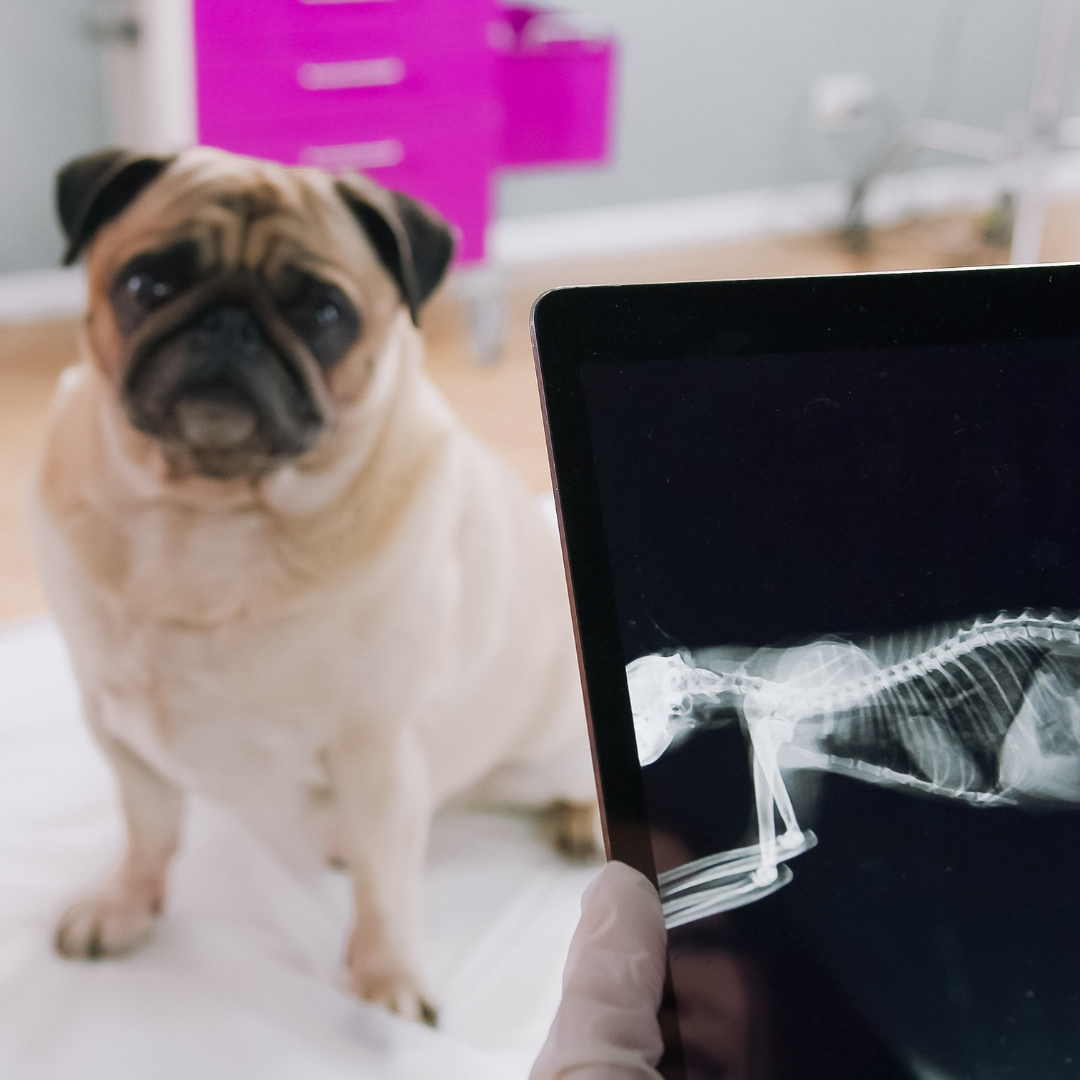
When Does a Dog Need Diagnostic Imaging? X-Rays, Ultrasound, MRI, and CT Explained
There are times when a physical exam alone does not provide enough information to fully understand what is happening inside your dog's body. Diagnostic imaging allows veterinarians to look beyond what can be seen externally and evaluate internal structures more clearly. Tools such as X-rays (radiographs), ultrasound, CT scans, and MRI each provide different types of detail, helping your pet's doctor make an accurate diagnosis and plan treatment.

Our Pets Can Have Allergies, Too!
Pets can have allergies too, and the signs often look different from what people expect. Instead of sneezing and watery eyes, dogs and cats are more likely to show allergies through their skin and ears. Excessive licking, chewing at the feet, scratching, repeated ear problems, overgrooming, and a noticeable odor can all point to an allergic condition that needs veterinary attention.